Buyer's Guide to understanding fair trade certification
Discover the World of Fair Trade Tea: Premium Brews That Promote Sustainable Practices
Fair Trade tea represents a harmonious union of quality and moral values. Each cup offers a distinctive taste experience while promoting sustainable farming practices. This approach not only enhances the tea enjoyment but also uplifts disadvantaged agricultural workers. Understanding its roots and verification standards reveals additional dimensions of importance. As buyers become more aware of their choices, the impact of Fair Trade tea goes beyond flavor. What lies beneath the exterior of these choices?
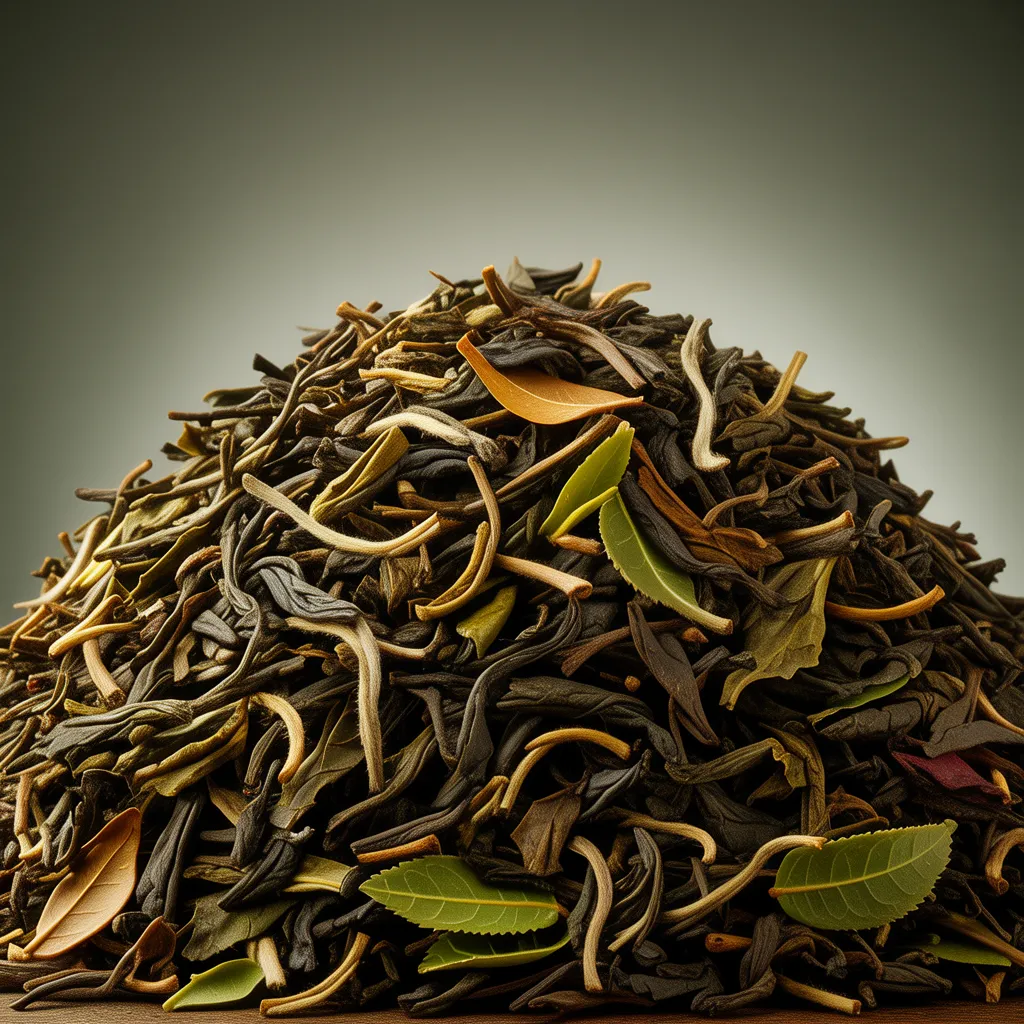
Uncover the Origins of Fair Trade Tea
Fair Trade tea comes from the socioeconomic movements intended to better the livelihoods of marginalized farmers. Starting in the latter part of the 1900s, this endeavor worked to address inequities in worldwide commerce, notably in developing countries where tea is commonly produced. The movement gained popularity as buyers became increasingly mindful of the difficult circumstances experienced by modest-sized growers, such review this content as unfair pricing and mistreatment by large corporations.
Through collaborative frameworks, Fair Trade intended to strengthen these farmers, ensuring they received fair payment and support for eco-friendly agricultural methods. The movement also focused on promoting ecological stewardship, promoting organic farming and biodiversity. As awareness increased, Fair Trade tea became a symbol of responsible purchasing, linking consumers directly with the origins of their beverages. By choosing Fair Trade tea, individuals contribute to a larger goal of social justice and economic equity, fostering a more sustainable future for tea-growing communities.
Learn about Fair Trade Certification for sustainable approaches
Recognizing Fair Trade certification is imperative to understanding how sustainable practices are upheld within the tea industry. This certification confirms that producers receive fair wages and work under safe conditions, which directly nurtures community development. Fair Trade standards endorse environmentally sustainable farming methods, reducing the use of harmful chemicals and encouraging biodiversity.
Certification enhances clarity in the distribution network, allowing consumers to track their tea back to its source. By adhering to these standards, farms undertake methods that safeguard natural resources and sustain local environments. Additionally, Fair Trade organizations often deliver educational resources and training to farmers, equipping them to improve their production methods and financial security.
Ultimately, Fair Trade certification not only enhances tea's excellence but also corresponds with consumer decisions to ethical and sustainable values, making it a essential element of the tea sector's dedication to community responsibility and environmental care.
Investigate Top Types of Fair Trade Tea
While many tea admirers appreciate the robust taste and aroma of various brews, exploring the top categories of Fair Trade tea uncovers a deeper devotion to ethical sourcing and sustainability. Some popular options present Fair Trade Assam, distinguished by its intense, malt-forward notes, and Fair Trade Darjeeling, often known as the "Champagne of teas" for its subtle floral essence. Another notable variety is Fair Trade Earl Grey, seasoned with bergamot, furnishing a unique citrus twist.
Additionally, Fair Trade Green Tea, praised for its invigorating qualities and health benefits, is increasingly favored among health-conscious consumers. Herbal blends, such as Fair Trade Chamomile and Peppermint, also shine, delivering soothing and calming effects. Each of these varieties not only delivers exceptional flavor but also supports farmers and communities working for better livelihoods, making them a responsible choice for tea lovers seeking quality and ethical assurance.
Brewing Fair Trade Tea: Guidelines for a Perfect Cup
To brew the ultimate cup of Fair Trade tea, careful attention is crucial, since the correct techniques can bring out the tea's distinctive aromas and scents. Initially, the quality of water is paramount; using purified water provides a clean taste that allows the tea's traits to shine. The water temperature is also essential; various tea types need specific temperatures; black tea is brewed with boiling water and cooler is preferred for green or herbal varieties.
Following this, the soaking duration needs to be accurately tracked. Oversteeping can generate bitterness, while understeeping may not obtain the complete taste spectrum. A general guideline is 3-5 minutes for black tea and 2-3 minutes for green tea.
Ultimately, using the appropriate balance of tea to water boosts the taste; one teaspoon of loose tea per cup is a excellent starting point. By implementing these recommendations, tea enthusiasts can completely savor the extensive variety of Fair Trade tea.
Green Gains of Sustainable Tea
Brewing Fair Trade tea not only elevates the tea experience but also promotes sustainable agricultural practices that advantage the environment. Fair Trade certification encourages farmers to use organic farming methods, which minimize the dependence on harmful pesticides and fertilizers. This method promotes species diversity, helping to preserve local habitats and protect animal sanctuaries.
Additionally, Fair Trade methods often highlight soil health and water preservation, ensuring that tea cultivation does not deplete essential resources. By assisting small-scale farmers, Fair Trade also encourages agroforestry, which combines tea cultivation with other crops and trees, further bolstering environmental resilience.
Moreover, Fair Trade tea frequently includes environmentally friendly packaging and delivery systems, minimizing the carbon footprint linked to its delivery. Overall, choosing Fair Trade tea demonstrates a deliberate commitment to promote a increasingly eco-friendly farming approach that honors both the planet and its people.

The Impact of Your Tea Selection in Empowering Global Communities
Investing in Fair Trade tea strengthens global communities by delivering farmers with fair remuneration and superior working conditions. This commitment warrants that tea cultivators can maintain their economic stability while helping their dependents and local economies. By purchasing Fair Trade tea, end consumers promote the expansion of key community services, like education and health support.
Fair Trade accreditation encourages responsible conduct, demanding companies to follow guidelines that prioritize workers' rights and environmental sustainability. As a result, farmers are motivated to grow premium tea, which not only enhances their earnings but also creates pride in their work.
Furthermore, the immediate trading relationships created through Fair Trade remove unfair middlemen, enabling farmers to connect with consumers worldwide. This transparency builds trust and encourages a global recognition for the cultural significance of tea. Ultimately, each cup of Fair Trade tea acts as a reminder of the positive impact individuals can have on worldwide populations through conscious purchasing.
Frequently Posed Questions
How Can I Recognize Fair Trade Tea Products in Stores?
To find consciously sourced tea selections in stores, one should seek certification labels, such as Fair Trade Certified or Rainforest Alliance. Additionally, looking into companies committed to ethical sourcing can contribute to making informed choices.
What Medical Advantages Are Associated With Fair Trade Tea?
Fair trade tea may supply diverse health perks, featuring heart-supporting antioxidants, improved digestive health, and sharper mental clarity. In addition, environmentally conscious sourcing methods facilitate sustainable farming, helping advance a healthier ecosystem and improved societal well-being.
Is it Easy to Discover Fair Trade Tea Via Online Marketplaces?
Yes, fair trade tea is widely available in online marketplaces. Numerous retailers offer a variety of brands and blends, making certain consumers can quickly locate ethically sourced options that advance both sustainability and fair labor practices.
How Does Fair Trade Tea Influence Local Economies?
Fair trade tea positively impacts local economies by providing farmers with fair wages, fostering community development, and promoting environmentally responsible agriculture. This assistance improves living standards, promotes economic stability, and enables communities to invest in education and healthcare.
How Do I Maintain Fair Trade Tea for Superior Freshness?
To boost quality, fair trade tea should be stored in a sealed jar, shielded from humidity, light, and pungent smells. Storing it in a dark, cool location helps protect its taste and scent over time.